
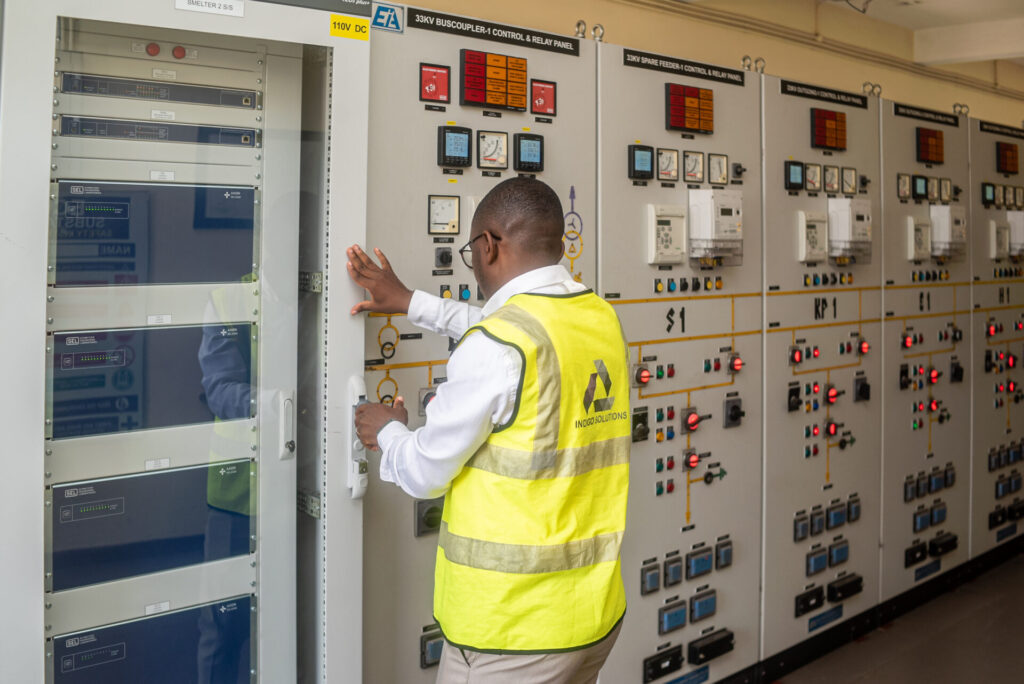
Ghana’s infrastructure ecosystem is undergoing a structural transformation. Energy distribution networks are becoming digitally monitored. Water treatment plants are increasingly automated. Government institutions rely on centralized data systems. Industrial operations are integrating advanced control environments.
This shift marks the emergence of smart infrastructure in Ghana an interconnected framework where engineering, automation, and cybersecurity operate as a unified system.
But intelligent infrastructure is not simply about installing digital tools. It requires secure architecture, structured integration, and long-term operational governance
From Physical Infrastructure to Intelligent Systems
Traditional infrastructure relied heavily on mechanical systems and manual monitoring. Today’s environment is different.
Modern infrastructure combines:
- Industrial control systems
- SCADA platforms
- Sensor networks
- Centralized control centres
- Secure ICT frameworks
- Real-time analytics
This integration improves operational efficiency, reduces downtime, and enables faster response to system disruptions.
However, increased connectivity also introduces risk. Without structured cybersecurity and engineering oversight, digital infrastructure becomes vulnerable.
Why SCADA Integration Matters in Ghana
Across the energy and utility sectors, SCADA systems now form the backbone of operational monitoring.
A properly engineered SCADA environment enables:
- Real-time visibility of substations and distribution assets
- Centralized control of dispersed facilities
- Faster fault detection and isolation
- Load balancing and operational optimization
As infrastructure expands regionally, the need for experienced SCADA systems integrators in Ghana becomes more critical. Integration errors can lead to operational instability, data gaps, and cybersecurity exposure.
SCADA integration is not a plug-and-play solution. It requires engineering alignment between hardware, software, communication networks, and security frameworks.
Critical Infrastructure Cybersecurity: A National Imperative
As operational systems connect to broader networks, critical infrastructure cybersecurity in Ghana moves from technical concern to strategic necessity.
Energy grids, water utilities, and industrial control environments are high-value targets globally. Unlike traditional IT systems, operational technology (OT) networks require specialized protection measures.
Securing critical infrastructure involves:
- Network segmentation
- Access control management
- Secure remote monitoring
- Incident response architecture
- Continuous threat detection
Cybersecurity must be embedded at design stage, not retrofitted after deployment.
Without structured protection, the efficiency gains of smart infrastructure can be undermined by operational disruption.
Automation in Water Treatment and Utility Systems
Water treatment automation in Ghana is another major component of intelligent infrastructure.
Automated treatment facilities provide:
- Continuous quality monitoring
- Automated chemical dosing systems
- Remote supervision capability
- Performance analytics
- Reduced operational variability
In regions facing flooding, supply fluctuations, or demand growth, automation strengthens reliability and safety.
Automation also improves regulatory compliance and environmental performance, both increasingly important in modern infrastructure planning.
The Convergence of Engineering and Advanced Technology
Smart infrastructure development requires more than IT expertise. It demands collaboration between:
- Electrical engineers
- Control systems specialists
- Cybersecurity architects
- Network engineers
- Utility sector experts
This convergence defines what an advanced technology company in Ghana must look like today one capable of bridging physical engineering with digital intelligence.
The distinction between traditional engineering company Ghana and technology integrator is becoming narrower. Infrastructure delivery now demands both disciplines working in coordination.
Designing for Long-Term Resilience
The true measure of smart infrastructure is not how sophisticated it appears on deployment but how resilient it remains over time.
Long-term performance depends on:
- Structured systems architecture
- Regulatory compliance
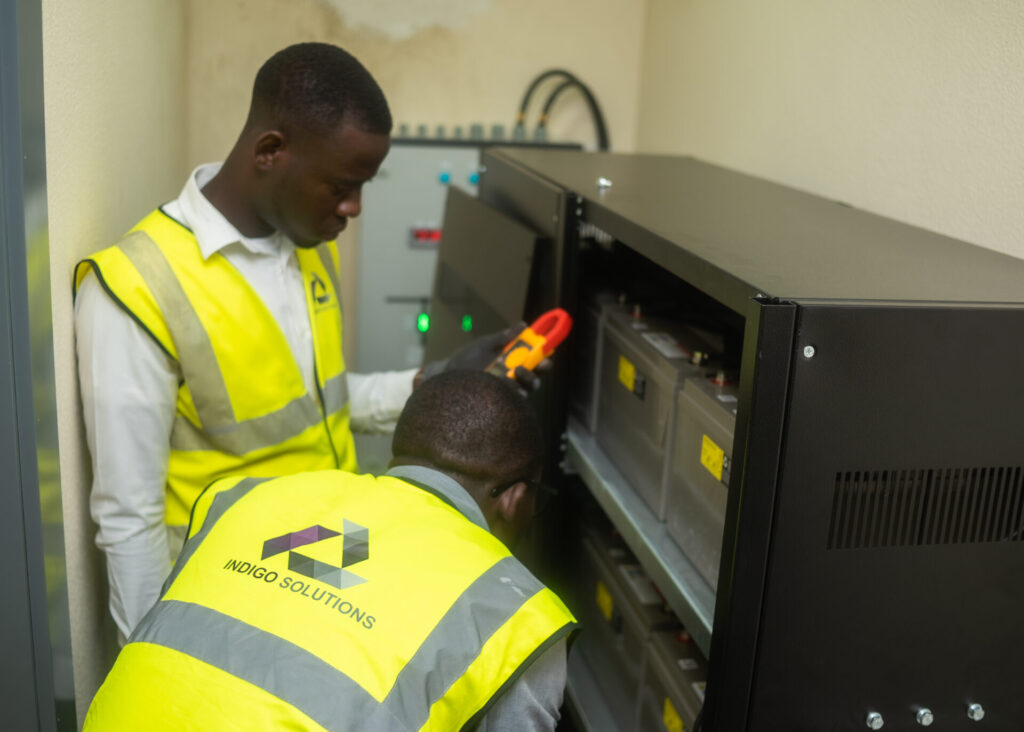
- Lifecycle technical support
- Scalable design
- Secure integration
As Ghana continues expanding its infrastructure footprint, the emphasis must shift from isolated project delivery toward integrated, secure ecosystem design.
Conclusion
Smart infrastructure in Ghana represents more than technological modernization. It reflects a shift toward interconnected, automated, and secure national systems.
SCADA integration, water treatment automation, and critical infrastructure cybersecurity are no longer specialized enhancements; they are foundational requirements for operational resilience.
As infrastructure systems grow more complex, the future will belong to those who engineer security, automation, and intelligent integration into the core of national development.
Explore Our Smart Infrastructure Projects
From SCADA control centres and utility automation to secure cybersecurity architecture, our projects demonstrate how intelligent systems enhance national resilience. Discover how advanced integration supports critical operations across Ghana.